Effective Ways To Maintain In-Home Aged Care in Brisbane
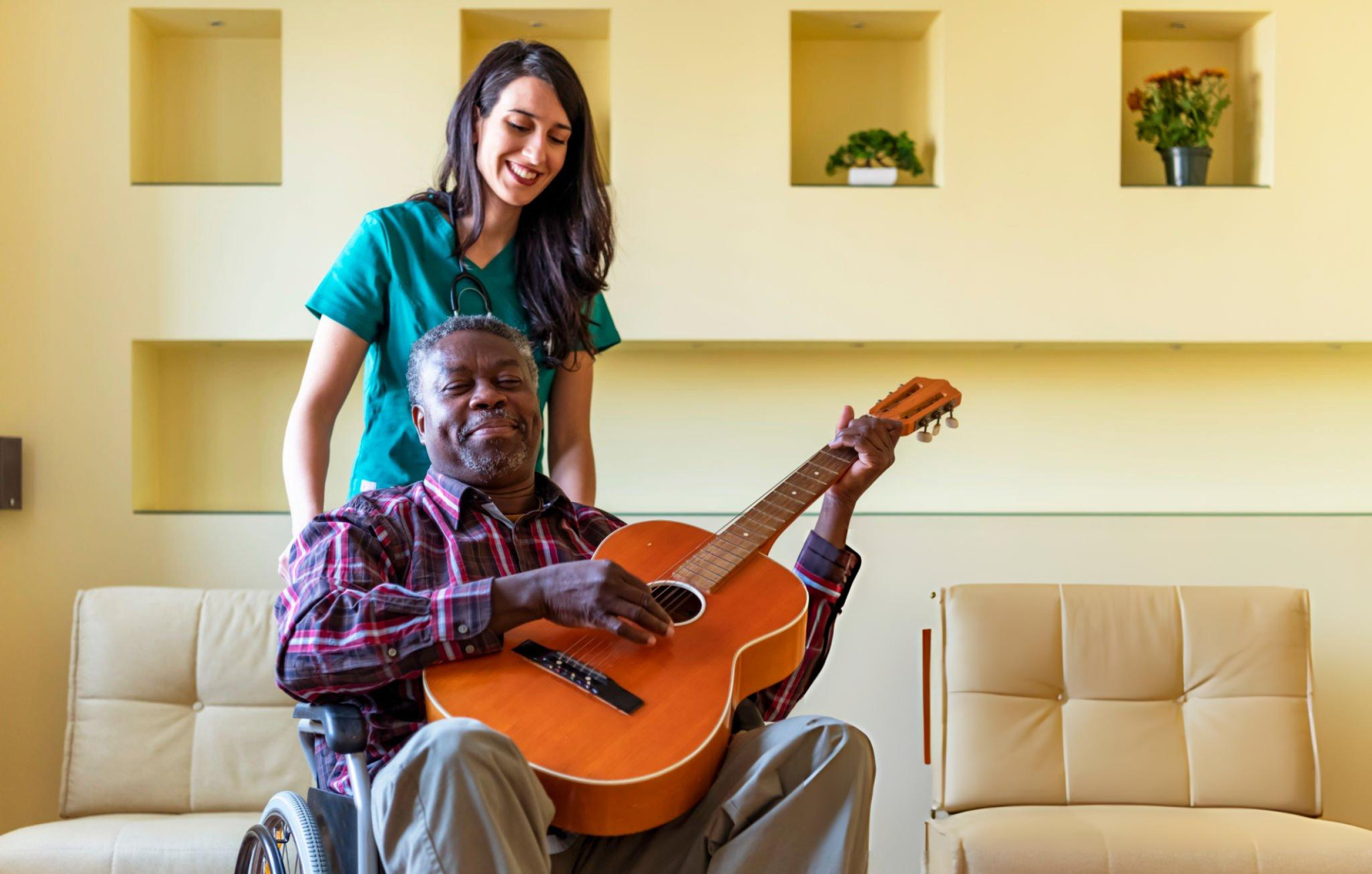
Caring for elderly loved ones at home can be deeply fulfilling yet comes with its unique set of challenges. Ensuring top-notch care means focusing on creating a safe, comfortable environment that caters to their physical, emotional, and social needs. Whether adjusting your daily routine or enhancing the home environment, maintaining quality in-home aged care is about balancing day-to-day demands with personal well-being.
Living in Brisbane provides ample community resources and support services to take advantage of. These can significantly influence the quality of care you provide. Engaging with local support allows families to feel confident in the care they're offering, knowing they are meeting the needs specific to their location while considering the broader challenges of aging.
Create a Safe and Comfortable Environment
Safety and comfort form the foundation of effective in-home aged care. Focusing on these elements not only eases daily routines but also relieves some of the stress associated with caregiving. Here’s how you can ensure both:
1. Organise and Declutter: Start by tidying up the space to improve movement and reduce fall risks. Clear pathways and remove potential tripping hazards such as loose rugs or wires.
2. Install Safety Features: Small upgrades can make a big difference. Install grab bars in bathrooms, ensure proper lighting throughout the home, and use non-slip mats in potentially wet areas to prevent accidents.
3. Peaceful Atmosphere: Consider the emotional well-being of those in your care by creating a calming environment. Soft lighting, pleasant scents, and a peaceful soundscape can contribute greatly to their comfort and reduce stress.
By addressing these components, families create a nurturing space where seniors can thrive. The home becomes not just a place to live but a sanctuary suited to their unique needs, promoting tranquility and independence.
Develop a Routine and Stick to It
Having a routine injects structure and predictability into daily life, which is comforting for seniors and their caregivers alike. Here are some key elements to consider when building a schedule:
- Daily Structure: Establish a consistent daily routine covering meals, medications, and engaging activities. Regular timings help in reducing anxiety and improving overall mood.
- Balanced Activities: Ensure a mix of personal care, like hygiene and grooming, and leisure, including hobbies or outings. Strike a balance that suits both physical and emotional health.
- Flexibility Is Key: Life is unpredictable, so while consistency is helpful, being prepared to adapt the routine as needs change is crucial. Listen to feedback from carers and the elderly to tweak plans effectively.
Creating a routine that respects individual needs empowers seniors and supports caregivers by providing clarity and purpose throughout the day.
Prioritize Health and Well-being
Health and well-being lie at the core of providing effective in-home care. It’s about maintaining a balance in physical health while nurturing mental wellness. Here are a few practical steps:
- Balanced Diet and Hydration: Start with meal planning that includes a variety of fruits, vegetables, lean proteins, and whole grains. Keeping meals colourful ensures a good range of nutrients. Encourage regular hydration by offering water throughout the day, keeping drinks handy, especially in warmer months.
- Exercise Tailored to Abilities: Consider gentle exercises suitable for the elderly, like yoga or tai chi, which help improve flexibility and strength. Even a short walk around the neighbourhood each day can make a big difference to both mood and health.
- Routine Medical Checkups: Regular visits to the doctor help manage ongoing medications and track any changes in health. Keeping an updated health diary or chart for medications and appointments can prevent any mix-ups and are a great tool for tracking progress and concerns.
Prioritising health with these steps not only enhances quality of life but also contributes to sustaining independence for as long as possible.
Encourage Social Interaction and Mental Stimulation
Social connections and mental activities are just as important as physical health. Keeping the mind active and engaged is vital. Here’s how you can foster a vibrant social life for seniors:
- Interactive Activities: Involve the elderly in engaging activities. Puzzles, card games, or arts and crafts can be enjoyable and provide mental stimulation, keeping the brain sharp.
- Stay Connected: Arrange regular visits with family and friends. Use video calls to bridge distances. It’s important for seniors to feel involved in family life and connected to their community.
- Community Programs: Encourage participation in local community events or group classes. Many local centres offer events tailored for seniors, from art classes to social clubs. These activities combat feelings of isolation and provide a sense of belonging.
Engagement in these activities provides joy, builds friendships, and supports mental health, making each day fulfilling.
End with Care and Compassion
Finding the best ways to care for loved ones at home involves a blend of keeping them safe, ensuring their well-being, and engaging them socially and mentally. The balance lies in thoughtful planning and genuine compassion. Brisbane's community offers many resources and support services to help families along this journey.
Remember, the goal is to create a nurturing environment where seniors can thrive independently. By addressing these areas, families can ensure they're offering the finest care and making cherished time spent together meaningful and enjoyable.
Discover how ARMIA can support your journey in providing quality in-home aged care in Brisbane. Our care solutions are designed to help seniors remain independent and comfortable in the familiarity of their own homes. Whether you’re looking for help creating a safer living space or need a tailored care plan, get in touch with ARMIA for expert support and personalised guidance every step of the way.