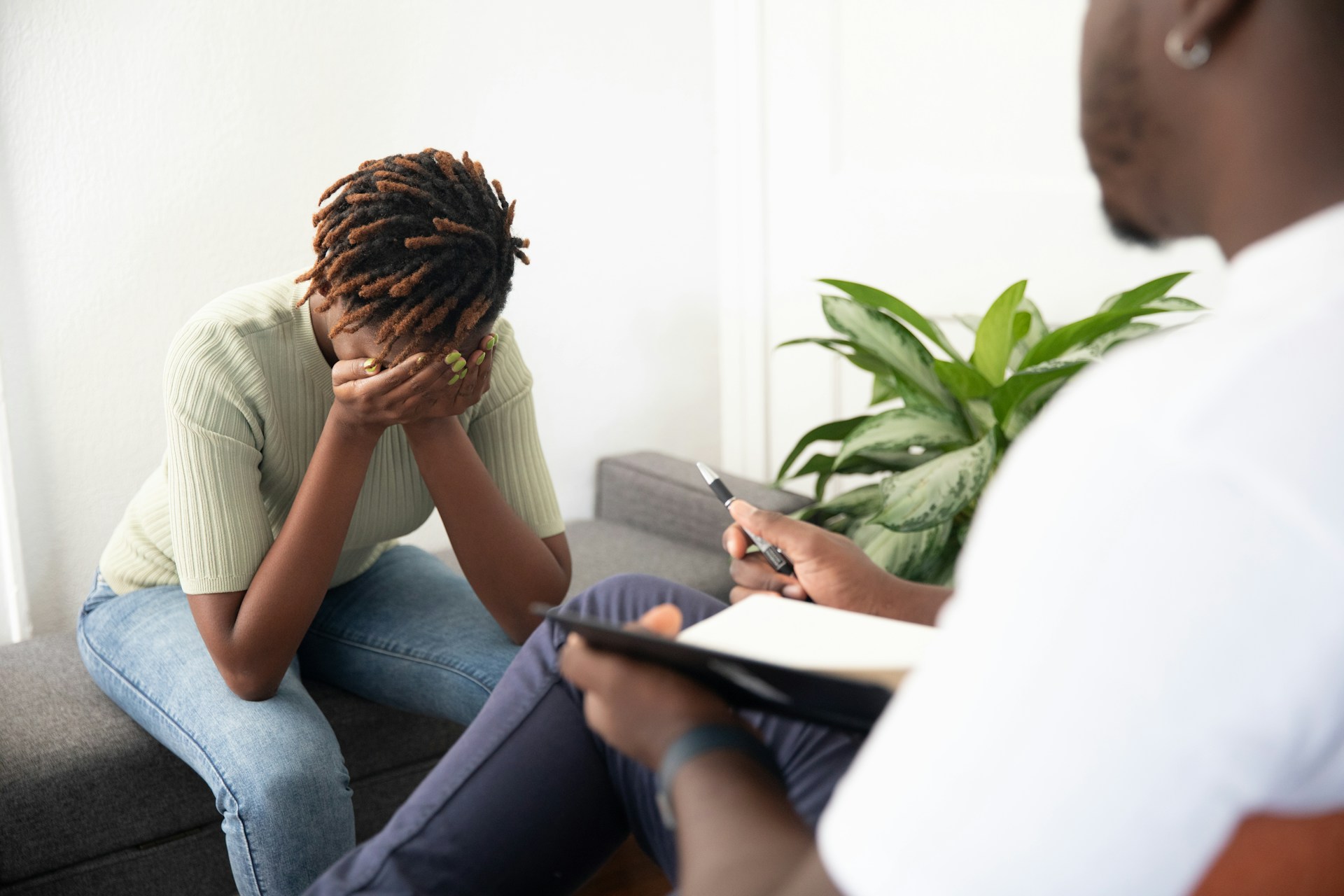
How To Deal With Trauma: Effective Counselling Methods
Trauma can arrive in many forms, affecting anyone at any age. It's more than just an emotional upset; it can profoundly impact a person's entire well-being. Experiencing a traumatic event can leave lasting scars, influencing how someone feels, thinks, and interacts with others. In Brisbane, understanding how to address these feelings is crucial to personal healing. Often, the aftermath of such events includes anxiety, fear, or depression, none of which are easy to tackle alone.
Effective counselling offers a supportive path forward. With the right guidance, individuals can work through their traumatic experiences and start rebuilding their lives. Counselling can help build resilience, allowing people to face their emotions in a healthy way. This article explores some counselling methods that are particularly effective in addressing trauma, focusing on options available in Brisbane. It's about finding the right approach that can make the healing journey smoother and more manageable.
Understanding Trauma and Its Effects
Trauma can be a heavy burden, affecting individuals physically, emotionally, and psychologically. Understanding what trauma involves is the first step in addressing its impacts. Emotional trauma typically refers to intense, overwhelming experiences that cause distress, like the loss of a loved one or witnessing a violent act. Physical trauma involves a bodily injury that may coincide with emotional distress. Psychological trauma is often linked with events that shatter a person's sense of security, leaving them feeling vulnerable in a world they once trusted.
Recognizing the symptoms of trauma is the next vital step. Individuals may experience:
- Constant anxiety or fear
- Mood swings and irritability
- Flashbacks or unwanted memories of the event
- Difficulty concentrating or sleeping
- Detachment from day-to-day life
The long-term effects can be equally challenging, sometimes resulting in conditions like PTSD, depression, or anxiety disorders. Seeking professional help is important to manage these complex emotions. An experienced counsellor can provide the tools needed to cope with and overcome these feelings, guiding individuals through their recovery journey.
Common Counselling Methods for Trauma Recovery
When facing the struggle of trauma recovery, understanding different counselling methods can be a turning point. Each method offers unique approaches to help manage feelings and encourage healing. Here are a few commonly used techniques:
1. Cognitive Behavioural Therapy (CBT): CBT is a popular choice for trauma therapy. It focuses on identifying and changing negative thought patterns. By recognizing irrational beliefs and replacing them with positive ones, individuals can alter how they respond to trauma. A session might involve working with a counsellor to develop coping strategies and problem-solving skills. This helps make challenging thoughts more manageable.
2. Eye Movement Desensitization and Reprocessing (EMDR): EMDR is a therapy specifically designed for trauma. It involves guided eye movements to help the brain process traumatic memories. Sessions typically involve recalling a distressing event while simultaneously focusing on the therapist's moving fingers. This process can help decrease the emotional grip of a traumatic memory, making it easier to live with past experiences.
3. Somatic Experiencing: This method explores how trauma affects the body. It allows individuals to focus on physical sensations that emerge from traumatic events. This body-oriented therapy encourages releasing stress held within the muscles and tissues. By becoming aware of these physical responses, individuals can work through unresolved trauma without needing to recount every distressing detail.
Choosing the Right Trauma Counsellor in Brisbane
Selecting the right counsellor means more than just finding a professional with the right credentials. It's about building a trusting relationship with someone who genuinely understands your situation. Here are some tips:
- Research and Referrals: Start by asking around. Don't hesitate to ask friends or healthcare providers for recommendations. Personal referrals can offer unmatched insights. Online platforms in Brisbane might also have reviews and ratings that guide your choice.
- Verify Qualifications: Ensure the counsellor is qualified and holds relevant certifications. Look for specializations in trauma, as this extra training often indicates a deeper knowledge of handling trauma cases.
- Assess Compatibility: Consider scheduling initial consultations with a few counsellors. This helps gauge if their approach aligns with your comfort level. Important considerations might include their communication style and how they handle sensitive topics.
Accessibility is key. In Brisbane, evaluate considerations like the counsellor's proximity to your home. Cultural sensitivity can enhance counselling support, especially in a city celebrated for its diversity. Ensuring the counsellor appreciates various cultural perspectives ensures therapy sessions are inclusive and supportive.
The Role of Support Systems in Trauma Recovery
Recovering from trauma isn't something to face alone. Engaging with supportive systems can ease the path toward healing.
- Family and Friends: Lay the groundwork by including family and close friends in the process. Educate them on your challenges and how they can assist. This could mean having a shoulder to lean on or someone to accompany you to therapy sessions.
- Support Networks and Community Groups: Seek out support groups in Brisbane centred around shared trauma experiences. Being part of a community that understands and relates to your struggles can provide comfort and solidarity.
Involvement from loved ones might involve open conversations about the emotional roller-coaster that often comes with trauma. Chatting openly helps them understand your triggers and boundaries, paving the way for a compassionate support network.
Moving Forward: Healing and Recovery
Healing from trauma is a gradual process without a fixed timeline. Acknowledge each small step forward as a success. Prioritizing mental well-being and recognizing personal growth are vital parts of recovery. It's natural to have setbacks, yet staying resilient during these challenging moments is key. Remember, the path to healing is rarely a straight line but a personal journey for each individual.
Promoting a healing environment through understanding and patience creates the foundation needed for a fulfilling recovery. The availability of diverse counselling methods in Brisbane offers pathways to recovery that cater to unique personal needs, making the journey a bit easier. Take steps toward starting this journey, knowing recovery is within reach.
To embark on a meaningful recovery journey, having the right support makes all the difference. If you're looking for a compassionate and effective approach to trauma counselling in Brisbane, ARMIA offers personalised services that prioritise your healing. You're not alone, and with the right help, meaningful recovery is possible.